Korean Ghost Stories (2008 TV Series)
Korean Ghost Stories (Korean: 전설의 고향; RR: Jeolseolui Gohyang) is a South Korean television anthology series that aired on KBS2 in 2008. The series serves as a modern revival of the classic horror anthology format, focusing on traditional Korean myths, folk tales, and supernatural legends. The 2008 iteration consisted of eight episodes, broadcast on Wednesday and Thursday nights at 21:55, from August 6 to September 3, 2008.
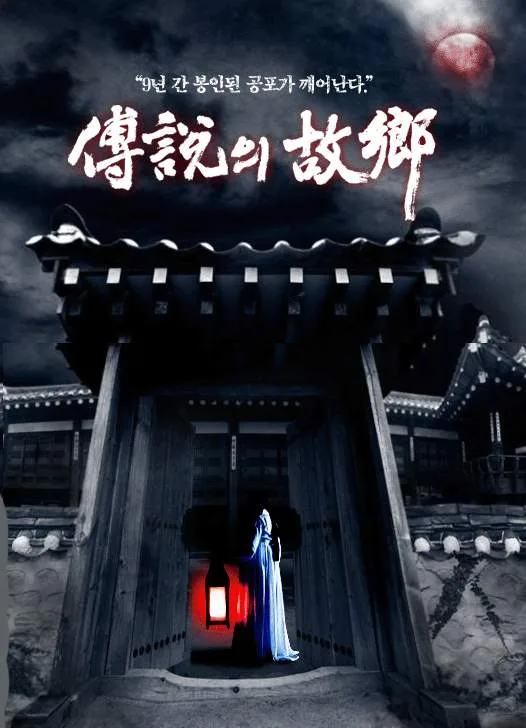
Background and Production
The Korean Ghost Stories franchise is a long-standing cultural staple in South Korean television, known for adapting regional folklore into horror narratives. The 2008 series was produced to reintroduce these traditional stories to a contemporary audience, blending historical backdrops with modern production techniques. The series occupied the KBS2 time slot previously held by Sisters in Love and was succeeded by The Land of the Wind on September 10, 2008.
Episodes
The 2008 series featured eight distinct episodes, each exploring different aspects of Korean supernatural lore. Notable entries included:
- Nine-Tailed Fox (구미호): Directed by Kwak Jung-Hwan, this episode starred Park Min-Young, Kim Ha-Eun, and Choi Jin-Hyuk.
- Baby, Let's Go to Cheong Mountain (아가야 청산가자): Directed by Lee Min-Hong, featuring cast members Wang Hee-Ji, Ko Jung-Min, and Cho Eun-Sook.
- Curse of the Sajin Sword (사진검의 저주): Directed by Kim Jung-Min, starring Choi Soo-Jong, Sa Kang, and Park Ha-Sun.
- Ghost Letter (귀서): Directed by Kim Yong-Soo, featuring Ahn Jae-Mo and Lee Deok-Hee.

Legacy
The 2008 series continued the legacy of the franchise, which saw a subsequent revival in 2009. These programs are often cited for their role in preserving oral traditions and folk tales within the medium of television, providing a bridge between historical storytelling and modern media consumption.