Choi Min-Sik: South Korean Actor Biography and Career
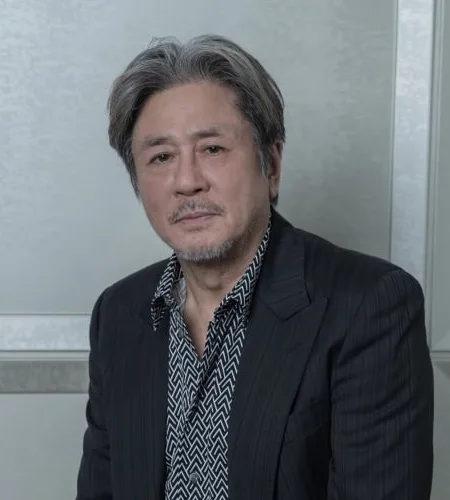
Choi Min-Sik (Hangul: 최민식) is a prominent South Korean actor born on January 22, 1962, in Seoul, South Korea. He has a brother, Choi Kwang-Il, who is also an actor.
Early Career and Breakthroughs
Choi initially gained recognition working on stage and in television before transitioning into film in 1992. His early film credits include roles in Our Twisted Hero (1992) and Ji-Wun Kim’s The Quiet Family (1998). He achieved widespread commercial success in 1999 by portraying a North Korean spy in Kang Je-Gyu’s action film Shiri. In 2002, he starred as 19th-century painter Jang Seung-Up in Im Kwon-Taek's Painted Fire (Chihwaseon), receiving international acclaim.
Major Film Roles
In 2003, Choi delivered an iconic performance as Oh Dae-Su in Park Chan-wook’s thriller Oldboy. Regarding his preparation, Choi noted that he approached the character of Oh Dae-Su entirely through imagination, unlike his role in Painted Fire, where he felt a responsibility to portray a historical figure.
Over the decades, Choi has appeared in numerous successful and critically acclaimed films, including Sympathy for Lady Vengeance (2005), I Saw the Devil (2010), Nameless Gangster: Rules of the Time (2012), New World (2013), and Roaring Currents (2014), in which he portrayed Admiral Yi Sun-Shin. His later filmography features roles in The Tiger (2015), Heart Blackened (2017), Forbidden Dream (2019), In Our Prime (2022), and Exhuma (2024).
Television and Streaming Work
In addition to his extensive film career, Choi has starred in television dramas and streaming series. Notably, he played Cha Moo-Sik in the Disney+ crime drama series Big Bet (2022–2023), for which he received the Best Actor award at the 59th Daejong Film Awards.
Advocacy and Protests
In 2006, Choi participated in public demonstrations in Seoul and at the Cannes Film Festival to protest the South Korean government's decision to reduce the domestic film screen quota from 146 to 73 days.